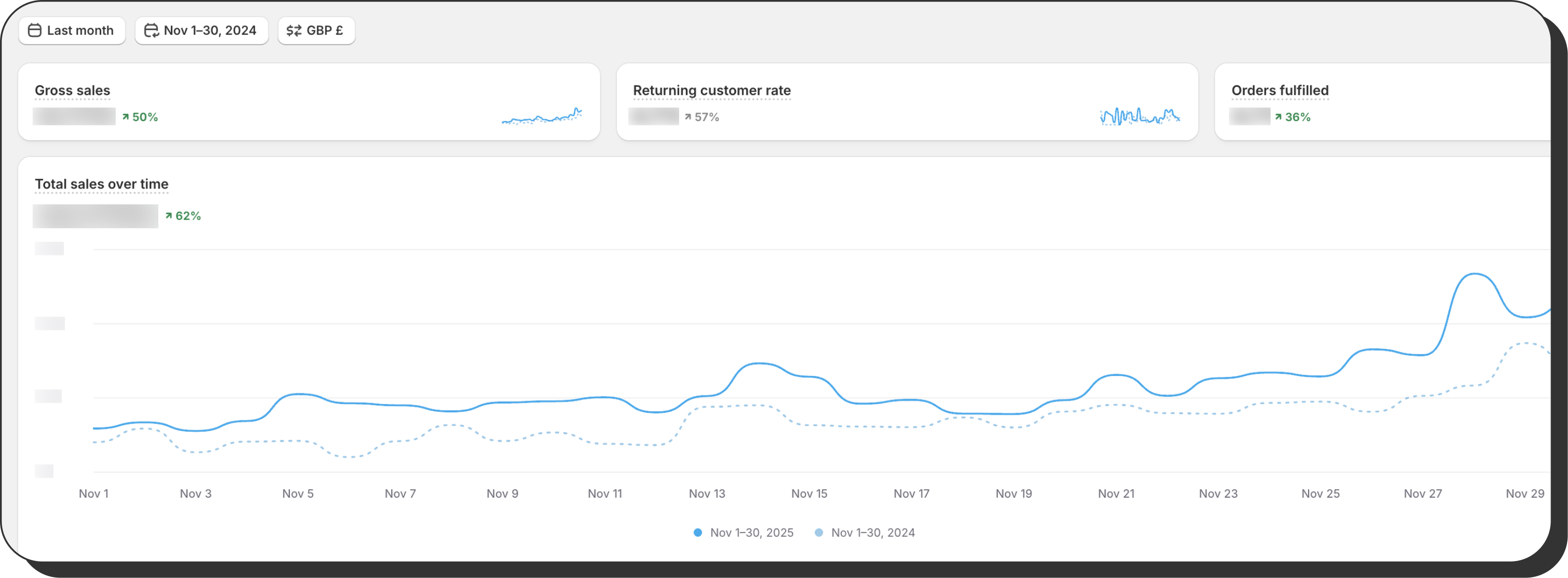
How we helped Licensed to charm scale revenue by 62%

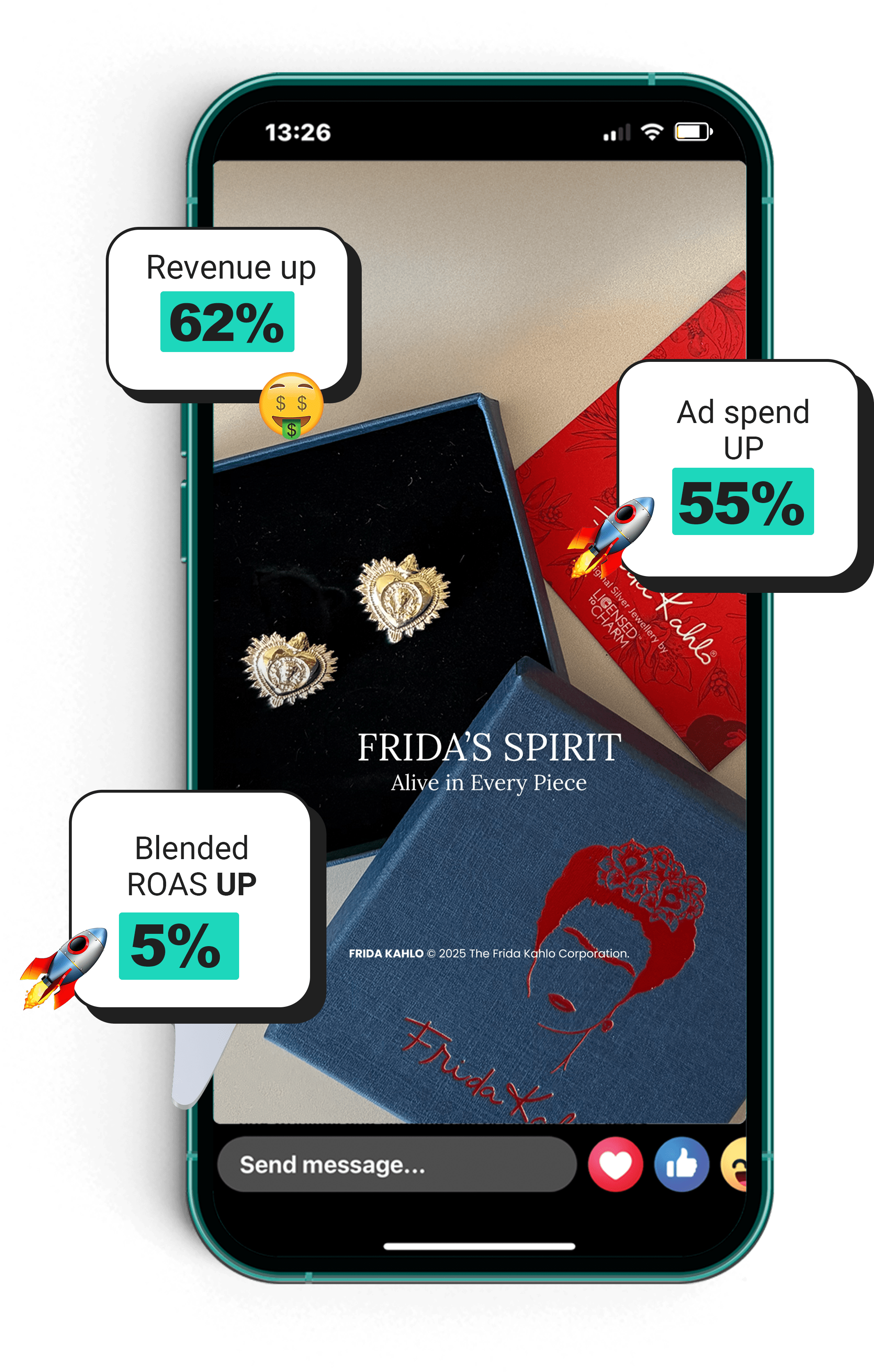
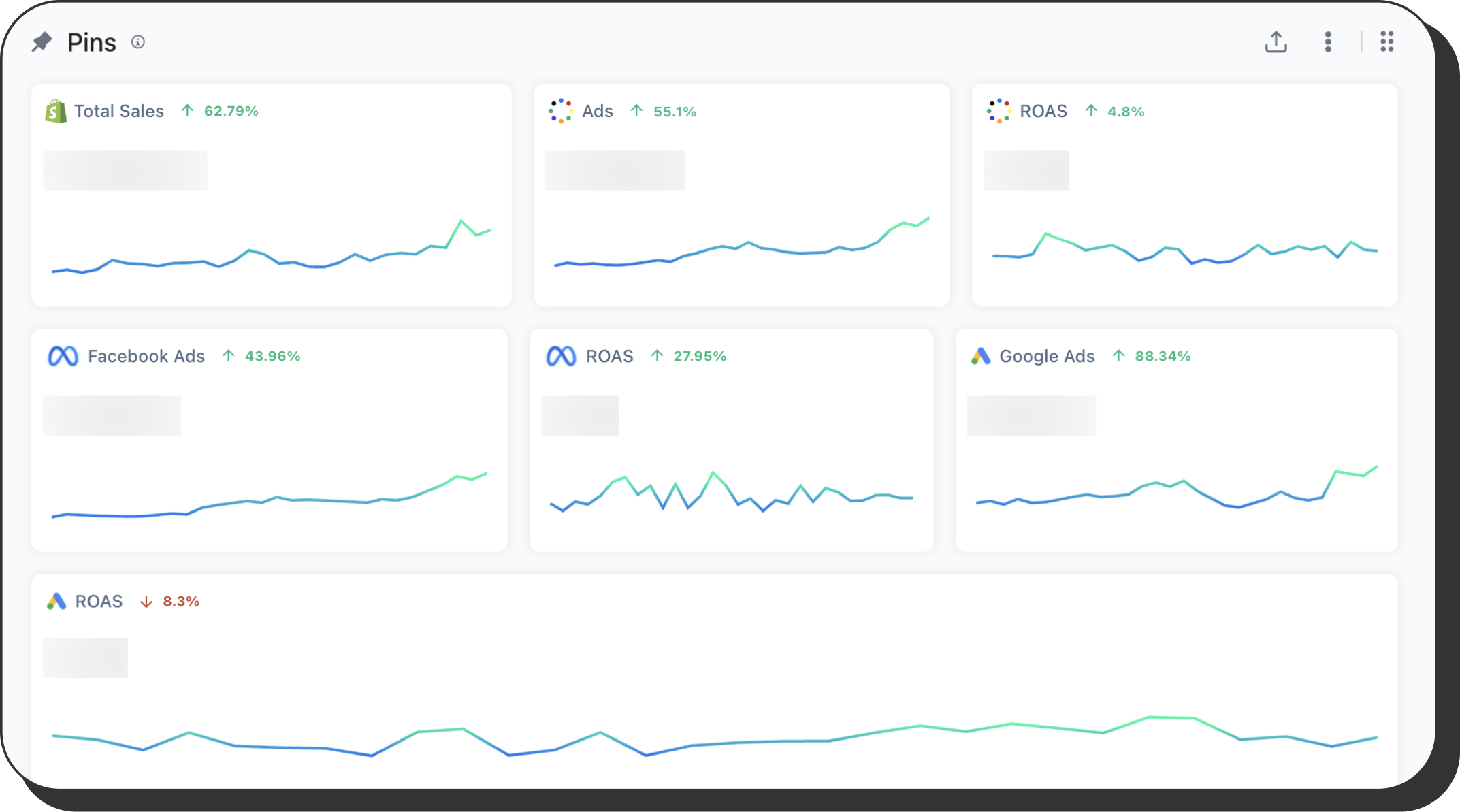
  • Revenue up 62%
  • Ad spend up 55%
  • Blended ROAS up 5%

Let's Talk

Background

Licensed To Charm is a contemporary jewellery brand known for its officially licensed collections, artisan craftsmanship, and playful designs inspired by iconic characters and beloved franchises. Each piece is handmade in the UK using sustainable materials, combining storytelling with premium quality - giving customers a unique, meaningful way to express their personality through jewellery.

Licensed To Charm partnered with us in July 2025 after years with the same agency, seeking a fresh perspective and a more dynamic approach to growth. Despite strong products and a loyal customer base, performance had stagnated, creative had grown repetitive, and the account lacked the strategic evolution needed to unlock the next stage of scale. From day one, our role was clear: bring new energy, new thinking, and a modern creative-led acquisition strategy capable of reigniting momentum and driving profitable growth across all channels.

Our approach

When we took over Licensed To Charm’s account, our initial audit highlighted several structural and strategic issues that were holding the brand back. The account had an exceptionally low first-time impression ratio, indicating a heavily saturated prospecting funnel and an overreliance on remarketing. Testing was almost nonexistent, frequency was high, and a large portion of spend was being delivered to existing customers - cannibalising results and driving up acquisition costs. Key products and collections were also being neglected within the current campaign structure, meaning high-potential SKUs weren’t receiving the visibility they deserved. On top of this, the creative strategy had become outdated, with low asset volume and limited variety entering the account.

Our first step was to rebuild the account from the ground up. We consolidated campaigns, introduced a structured testing framework, and shifted the focus toward acquiring new customers at scale while tightening control over delivery to existing purchasers. We also redesigned the campaign architecture to ensure each high-priority collection received dedicated budget and consistent visibility. Alongside this, we developed a modernised creative strategy - increasing output, diversifying formats, and leaning into storytelling, licensed IP angles, and stronger product-led visuals to better resonate with new audiences.

By applying this creative-led, data-backed approach, we reset performance, expanded reach, and positioned Licensed To Charm for sustainable, scalable growth after years of stagnation.
£
  • Revenue up 62%
  • Ad spend up 55%
  • Blended ROAS up 5%

How did we do it?

Our core focus was increasing creative output and diversifying the angles we used to re-energise Licensed To Charm’s acquisition funnel. From day one, we built a higher-volume creative engine - consistently producing fresh concepts, formats, and product-led visuals - allowing us to rapidly test, learn, and scale what worked. In a category where visual appeal, storytelling, and emotional connection drive purchase intent, this level of creative variety was essential to breaking out of stagnation.

A crucial part of our strategy was rebuilding the campaign architecture itself. We separated the UK and US into distinct structures, giving each market its own creative angles, messaging, and optimisation logic. Different messaging required, and different best sellers in each market.

What did we do?

We also rebuilt the account using a tiered system based on product and collection sell-through rates. High-performing SKUs received dedicated visibility and consistent budget, while lower-priority collections were tested methodically without cannibalising spend. This gave us tighter control over delivery and more flexibility to scale what was genuinely driving revenue.

Our structured creative feedback loop underpinned everything. By analysing hook rates, hold rates, product-level conversion metrics, and soft signals daily, we removed the guesswork and ensured every new asset batch was informed by real data. This created a performance flywheel: more creative → more insights → more winners → more scale.

Finally, alignment with the client allowed us to move quickly. Licensed To Charm trusted our process, collaborated openly, and empowered us to modernise their creative strategy, build market-specific structures, and unlock sustainable, profitable growth.

Ad Account Overview

  • Increased creative testing volume, producing and launching a minimum of 50 new assets per month - all strategised, scripted, and edited by our in-house creative team.
  • Split key SKUs into tiers at the campaign level to give us full control over budgets relative to stock levels and performance, ensuring efficient spend allocation and preventing overspend on lower-priority products.
  • Built a rigorous creative feedback loop to ensure we learned from every single test - analysing hook rates, hold rates, conversion metrics, and soft signals to continually refine our creative strategy.
  • No testing campaigns required - We test in adsets and copy winning post IDs over to the scaling adset. Our aim is to consolidate learnings in as little adsets as possible - This is also optimal as bad creatives simply do not spend, only winners spend which means we are achieving maximum efficiency
  • Utilising CLICK ONLY attribution - We want to train our ad account to become smarter, and optimise based on clicks > purchases rather than views > purchases. View attribution is only good for your ego.

Main Ad Account Takeaways

  • Always be as consolidated as possible - Gone are the days of needing a new campaign weekly, creative strategy moves the needle. Less campaigns results in a cleaner, easier to manage approach meaning we can spend our time on what really matters.
  • Going as broad as possible with targeting, as soon as possible - We should be aiming to go broad with targeting as soon as possible - Every sale you achieve on a broad audience makes the machine algo much smarter
  • Don't force spend on ads, at any level of your ad account - You don't need to be forcing spend on creatives, if meta isn’t pushing spend to them, you already have your answer. Let the machine go to work and do its thing. 
  • Utilise Catalog ads correctly - We should always use catalog DPAs, but be aware of the role they play in your ad account and don’t try to scale them too hard - They push people over the line. 
  • Creative diversification is KEY - Creative is our targeting now - This is how we tap into different pockets of our audience, by utilising new creative formats.

Next Steps

We’ve been able to assist Licensed To Charm to achieve unprecedented growth year to date in 2025, and we look forward to continuing this into 2026!

Want results like this for your brand?

How we helped Licensed to charm scale revenue by 62%

  • Revenue up 62%
  • Ad spend up 55%
  • Blended ROAS up 5%

Background

Licensed To Charm is a contemporary jewellery brand known for its officially licensed collections, artisan craftsmanship, and playful designs inspired by iconic characters and beloved franchises. Each piece is handmade in the UK using sustainable materials, combining storytelling with premium quality - giving customers a unique, meaningful way to express their personality through jewellery.

Licensed To Charm partnered with us in July 2025 after years with the same agency, seeking a fresh perspective and a more dynamic approach to growth. Despite strong products and a loyal customer base, performance had stagnated, creative had grown repetitive, and the account lacked the strategic evolution needed to unlock the next stage of scale. From day one, our role was clear: bring new energy, new thinking, and a modern creative-led acquisition strategy capable of reigniting momentum and driving profitable growth across all channels.

Our approach

When we took over Licensed To Charm’s account, our initial audit highlighted several structural and strategic issues that were holding the brand back. The account had an exceptionally low first-time impression ratio, indicating a heavily saturated prospecting funnel and an overreliance on remarketing. Testing was almost nonexistent, frequency was high, and a large portion of spend was being delivered to existing customers - cannibalising results and driving up acquisition costs. Key products and collections were also being neglected within the current campaign structure, meaning high-potential SKUs weren’t receiving the visibility they deserved. On top of this, the creative strategy had become outdated, with low asset volume and limited variety entering the account.

Our first step was to rebuild the account from the ground up. We consolidated campaigns, introduced a structured testing framework, and shifted the focus toward acquiring new customers at scale while tightening control over delivery to existing purchasers. We also redesigned the campaign architecture to ensure each high-priority collection received dedicated budget and consistent visibility. Alongside this, we developed a modernised creative strategy - increasing output, diversifying formats, and leaning into storytelling, licensed IP angles, and stronger product-led visuals to better resonate with new audiences.

By applying this creative-led, data-backed approach, we reset performance, expanded reach, and positioned Licensed To Charm for sustainable, scalable growth after years of stagnation.

How did we do it?

Our core focus was increasing creative output and diversifying the angles we used to re-energise Licensed To Charm’s acquisition funnel. From day one, we built a higher-volume creative engine - consistently producing fresh concepts, formats, and product-led visuals - allowing us to rapidly test, learn, and scale what worked. In a category where visual appeal, storytelling, and emotional connection drive purchase intent, this level of creative variety was essential to breaking out of stagnation.

A crucial part of our strategy was rebuilding the campaign architecture itself. We separated the UK and US into distinct structures, giving each market its own creative angles, messaging, and optimisation logic. Different messaging required, and different best sellers in each market.

Revenue up 62%

Ad spend up 55%

Blended ROAS up 5%
What did we do?

We also rebuilt the account using a tiered system based on product and collection sell-through rates. High-performing SKUs received dedicated visibility and consistent budget, while lower-priority collections were tested methodically without cannibalising spend. This gave us tighter control over delivery and more flexibility to scale what was genuinely driving revenue.

Our structured creative feedback loop underpinned everything. By analysing hook rates, hold rates, product-level conversion metrics, and soft signals daily, we removed the guesswork and ensured every new asset batch was informed by real data. This created a performance flywheel: more creative → more insights → more winners → more scale.

Finally, alignment with the client allowed us to move quickly. Licensed To Charm trusted our process, collaborated openly, and empowered us to modernise their creative strategy, build market-specific structures, and unlock sustainable, profitable growth.

Ad account overview

  • Increased creative testing volume, producing and launching a minimum of 50 new assets per month - all strategised, scripted, and edited by our in-house creative team.
  • Split key SKUs into tiers at the campaign level to give us full control over budgets relative to stock levels and performance, ensuring efficient spend allocation and preventing overspend on lower-priority products.
  • Built a rigorous creative feedback loop to ensure we learned from every single test - analysing hook rates, hold rates, conversion metrics, and soft signals to continually refine our creative strategy.
  • No testing campaigns required - We test in adsets and copy winning post IDs over to the scaling adset. Our aim is to consolidate learnings in as little adsets as possible - This is also optimal as bad creatives simply do not spend, only winners spend which means we are achieving maximum efficiency
  • Utilising CLICK ONLY attribution - We want to train our ad account to become smarter, and optimise based on clicks > purchases rather than views > purchases. View attribution is only good for your ego.
Hear from our partners

Main ad account takeaways

  • Always be as consolidated as possible - Gone are the days of needing a new campaign weekly, creative strategy moves the needle. Less campaigns results in a cleaner, easier to manage approach meaning we can spend our time on what really matters.
  • Going as broad as possible with targeting, as soon as possible - We should be aiming to go broad with targeting as soon as possible - Every sale you achieve on a broad audience makes the machine algo much smarter
  • Don't force spend on ads, at any level of your ad account - You don't need to be forcing spend on creatives, if meta isn’t pushing spend to them, you already have your answer. Let the machine go to work and do its thing. 
  • Utilise Catalog ads correctly - We should always use catalog DPAs, but be aware of the role they play in your ad account and don’t try to scale them too hard - They push people over the line. 
  • Creative diversification is KEY - Creative is our targeting now - This is how we tap into different pockets of our audience, by utilising new creative formats.
Want results like this for your brand?